
Living in Oswego, New York, means enjoying the best of both worlds: the natural beauty of Lake Ontario and the active lifestyle that comes with upstate living. Whether you spend your weekends hiking the trails at Rice Creek, boating, or braving the winter snowfall, muscle aches and pains can sometimes slow you down. Many Oswego residents chalk these aches up to “just getting older” or overexertion, not realizing that trigger points—tiny knots within your muscle tissue—could be the real source of their discomfort. Understanding trigger points and muscle pain could be the key to enjoying all the adventures Oswego has to offer pain-free.
What Are Trigger Points?
Trigger points, often described as "muscle knots," are small, tight areas within a muscle that can cause discomfort both at the site and sometimes in seemingly unrelated parts of the body. These knots can be firm to the touch and may even make daily activities like shoveling snow, carrying groceries across Bridge Street, or even typing at your desk at SUNY Oswego uncomfortable.
Key things to know:
- Trigger points form when muscle fibers become stuck in a contracted state, reducing blood flow and trapping waste products.
- They can be either active (causing noticeable pain) or latent (not causing pain until pressed or aggravated).
- They frequently develop in response to repetitive motion, poor posture, stress, or muscle injuries.
Why Do Trigger Points Develop?
Trigger points can emerge for a variety of reasons, many of which are common in the daily life of Oswego residents:
- Repetitive Motions: Raking leaves, shoveling snow, or playing on local sports leagues can stress certain muscle groups.
- Posture: Sitting for long periods in front of a computer at the Oswego Public Library or at work can promote bad posture, especially during cold months when activity levels drop.
- Stress: Stress is already high in the colder, darker months, and muscle tension only adds to it.
- Minor Injuries: Slip-and-falls on icy sidewalks or strains from lifting heavy gear can set off trigger point pain.
- Sedentary Lifestyles: Lack of physical activity, especially during Oswego’s long winters, can increase the likelihood of trigger points.
How Do Trigger Points Cause Muscle Pain?
Trigger points are more than just tender spots—they actually have the ability to refer pain elsewhere in the body. This means that the ache you feel in your neck after paddling down the Oswego River could actually originate from trigger points in your back or shoulders.
Common symptoms of trigger point pain include:
- A deep, aching pain or soreness in the muscle
- Stiffness and reduced range of motion
- Localized tenderness that can be pinpointed to a small spot
- Referred pain or headaches (particularly in the upper back and neck)
Trigger points can be tricky: sometimes, pain is felt far away from the knot, leading to confusion and frustration when self-massage or stretching doesn’t seem to help.
Diagnosing Trigger Points in Oswego
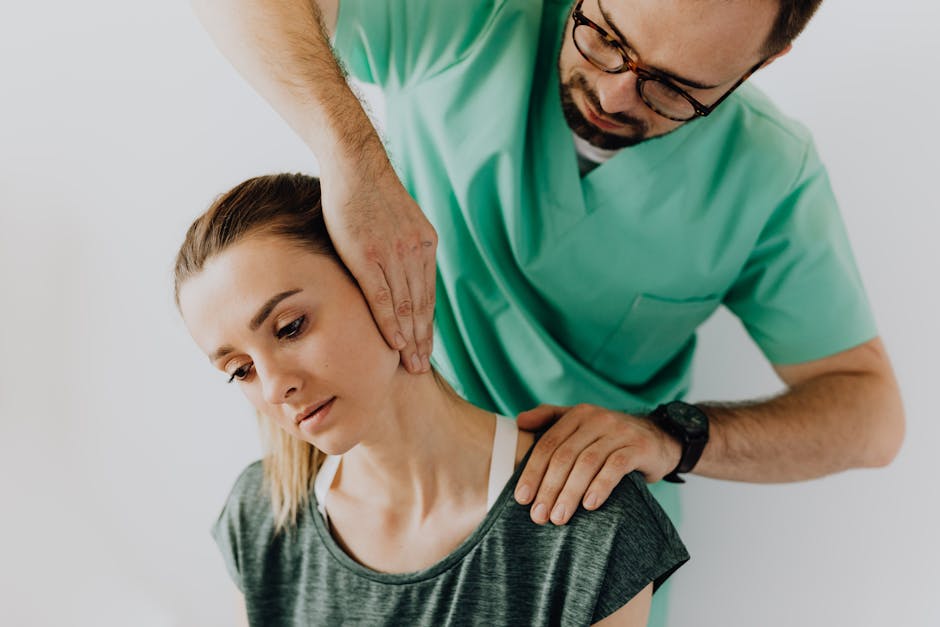
Recognizing and diagnosing trigger points often requires a hands-on approach. Chiropractors and other musculoskeletal specialists in Oswego are trained to locate these sensitive areas using manual palpation—gently probing muscles to find knots that reproduce your symptoms.
It’s important not to ignore persistent muscle pain, especially if you find it’s affecting your work, school, or favorite Oswego-area activities. Early diagnosis means faster relief and a quicker return to your active lifestyle.
Practical Tips: Preventing and Releasing Trigger Points at Home
You don’t need a professional’s help to start managing trigger points. Here are some Oswego-friendly tips:
- Stretch Regularly: Take five minutes to stretch before and after outdoor chores, even in winter.
- Move Often: If your job or classes keep you seated, set a phone timer to stand and move every hour.
- Stay Hydrated: Oswego’s chill can make you forget to drink water, but hydration is crucial for muscle health.
- Self-Massage: Use a tennis ball, foam roller, or massage stick to apply gentle pressure to muscle knots.
- Heat Therapy: Apply a warm pack after outdoor activities to relax tight muscles, especially after snow shoveling.
- Watch Your Posture: Check your posture at your desk or while walking on uneven sidewalks in the winter.
When to Seek Professional Help in Oswego
If home remedies aren’t enough or pain is severe and persistent, it’s wise to consult a local healthcare provider or chiropractor. A professional can:
- Accurately identify and treat trigger points with manual therapy or other techniques
- Guide you through tailored stretches and strengthening exercises
- Address underlying issues like posture or sports injuries unique to Oswego’s active residents
Immediate attention may be needed if:
- The pain is severe or spreading
- You notice numbness or tingling
- There is swelling or visible bruising
How Professional Treatment Helps
Chiropractors and physical therapists in Oswego have experience treating muscle pain in people with similar activities and challenges. Common therapies include:
- Manual trigger point release techniques
- Therapeutic massage
- Dry needling (when appropriate)
- Corrective stretches and exercises
- Advice on ergonomics and local activity modification
This personalized approach can help you keep up with family, work, and the seasonal demands of Oswego living.
Support Your Oswego Lifestyle by Addressing Trigger Points
Oswego is known for its active residents and outdoor culture, from historic Fort Ontario explorations to summer festivals and winter sports. Don’t let recurring muscle aches limit your enjoyment. By learning about trigger points and how to manage them, you’re investing in your health—and your ability to make the most of every season.
Take a few moments to check in with your muscles, and don’t hesitate to seek help if needed. Understanding and addressing trigger points can keep you on the trails, at the rink, or simply feeling good at work throughout the year in Oswego.
