

Are Minor Aches and Pains Really Something to Worry About?
Many Oswego, NY residents experience minor physical discomfort—an achy back after shoveling, a stiff neck from working at a desk, or sore knees after weekend yardwork. It’s common to brush off these mild symptoms, assuming they’ll run their course. However, even small aches and pains can be warning signs from the body. Left unchecked, these “minor” issues often grow into more serious problems that are harder to address.
Why Can Small Aches and Pains Lead to Bigger Issues?
Minor discomfort is often the body’s first alert that something isn’t quite right. While it might seem harmless at first, ongoing pain suggests that the underlying cause is not resolving. For example:
- An achy lower back from lifting can lead to muscle imbalances if posture habits don’t change.
- Neck stiffness might start after a night of poor sleep but could develop into headaches or nerve irritation.
- Sore joints may signal early wear and tear, setting the stage for longer-term problems like arthritis.
Ignoring discomfort doesn’t make it go away—in fact, it often encourages compensatory behaviors (like limping or favoring one side), which can strain other areas and trigger a chain reaction of new aches.
When Does “Just Soreness” Need More Attention?
It’s natural to feel some muscle fatigue after changes in activity, like raking leaves in autumn or shoveling heavy snow during Oswego’s winters. True “good soreness” fades within a day or two and improves with gentle movement. But soreness that lingers, gets worse, or interferes with daily activities may be a sign of something more:
- Persistent sharp or stabbing pain
- Numbness, tingling, or weakness
- Swelling or limited range of motion
- Discomfort that doesn’t improve or that disrupts sleep
These symptoms could point to underlying inflammation, nerve involvement, or joint injury that needs further assessment—not just time.
How Do Lifestyle Habits Unique to Oswego Play a Role?
Oswego’s seasons shape residents’ activities—snow shoveling, boating, gardening, and brisk winter walks are all part of the local rhythm. Each brings repetitive motions and physical demands:
- Shoveling heavy, wet snow commonly leads to back and shoulder strains.
- Icy sidewalks may cause slips, leading to lingering hip or knee injuries that are easy to minimize but can worsen if ignored.
- Gardening or seasonal clean-up can lead to wrist, elbow, or neck discomfort due to unfamiliar repetitive movements.
Local residents are also likely to spend more time indoors during colder months, leading to postural challenges from prolonged sitting and less movement overall. Over time, these patterns contribute to subtle stresses that, if not addressed early, set the stage for chronic pain.
What Are Common Misconceptions About Minor Pain?
Many people in the community believe that pain is “just part of aging” or that it should be toughened out unless it’s severe. Others avoid addressing discomfort out of uncertainty, lack of time, or hope that it will fade away on its own. However, misconceptions can be costly:
- Age does not make ongoing pain normal.
- “Pushing through” discomfort can worsen injuries or delay proper healing.
- Addressing small aches early often reduces the risk and cost of longer-term issues.
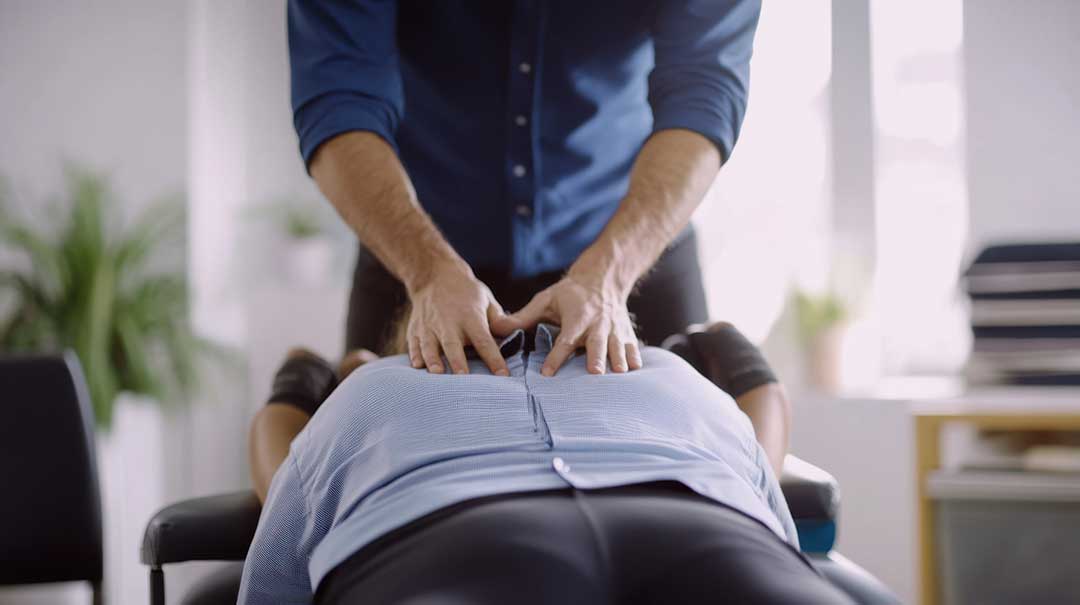
How Can Local Residents Tell the Difference Between Harmless Soreness and a Real Issue?
A few basic self-checks can help distinguish between general soreness and something that deserves more attention:
- Does the pain get better with gentle stretching or worsen with use?
- Has it lasted several days or kept returning?
- Are there new symptoms, like swelling, tingling, or decreased strength?
- Is daily routine, sleep, or mood being disrupted?
If any of these factors apply, a small ache could have bigger significance. Listening to the body and tracking changes over time helps local residents catch concerns before they escalate.
Practical Steps for Managing Everyday Discomfort at Home
For many day-to-day aches, practical self-care can go a long way:
- Use ice or heat on sore muscles and joints as needed.
- Stretch gently—stay mobile but don’t force painful movement.
- Adjust activity levels: alternate tasks to avoid repetitive strain.
- Maintain good sleep and hydration habits.
Households can also create safer environments during icy or wet weather, use ergonomic equipment for chores, and take regular breaks from screens or seated positions.
Why Early Attention Makes a Difference
Early recognition and management of aches and pains can often prevent chronic problems. Even small adjustments—improving posture, altering movement patterns, or allowing minor injuries to recover—can avoid months or years of ongoing discomfort. In a climate like Oswego’s, where year-round activity varies, attention to these details supports both long-term health and everyday comfort.
