
What does mobility mean as people age?
Mobility is more than walking without pain. It includes standing from a chair, turning safely, climbing steps, reaching overhead, getting in and out of a vehicle, and moving around the home with confidence.
For older adults in Oswego, NY, maintaining mobility can support independence and participation in everyday activities. Seasonal conditions may also affect movement. Snow, ice, wet entryways, and reduced outdoor activity during colder months can make balance, joint comfort, and leg strength especially important.
Mobility can change because of several factors, including arthritis, previous injuries, muscle loss, joint stiffness, reduced balance, nerve problems, vision changes, medication effects, or fear of falling. Chiropractic care may be one part of a broader plan for addressing movement-related discomfort, but it is not a substitute for medical evaluation, strength training, balance practice, or treatment of an underlying disease.
How may chiropractic care support better mobility?
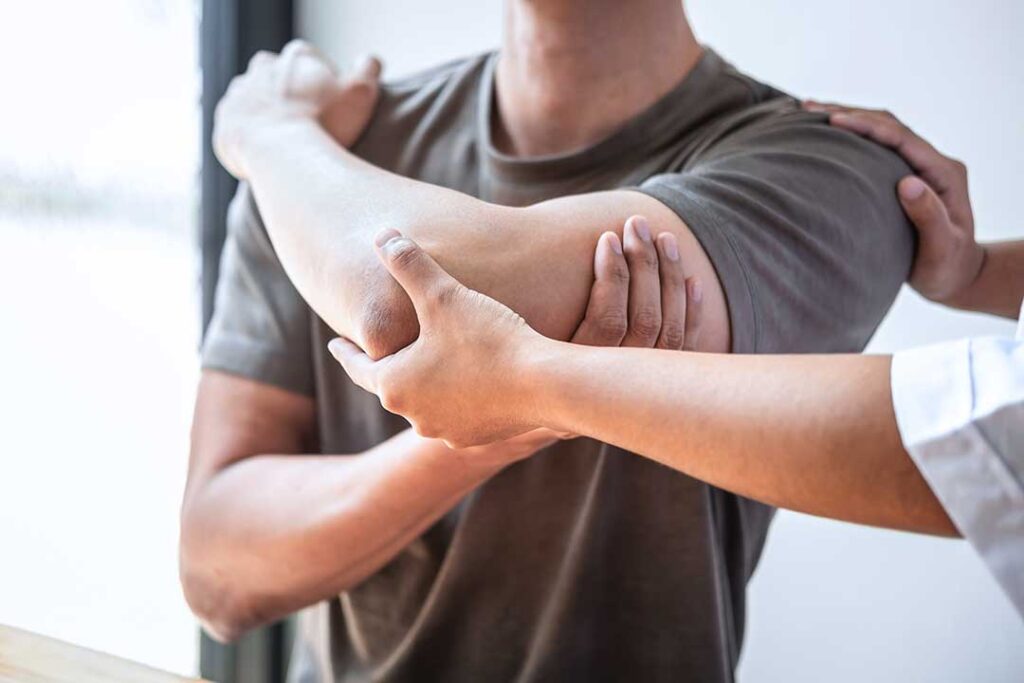
Chiropractic care may promote mobility by addressing certain sources of musculoskeletal discomfort and stiffness. Depending on a person’s condition, care may include hands-on joint mobilization, spinal manipulation, soft-tissue techniques, posture guidance, and individualized movement exercises.
The goal is generally not to “realign” the entire body or reverse normal aging. A more practical goal is to help a person move with less discomfort and better control during ordinary activities.
For example, an older adult with back stiffness may find it difficult to stand upright after sitting. If the stiffness improves, that person may be better able to walk, perform prescribed exercises, or complete household tasks. The improvement may come from a combination of reduced pain, increased joint movement, greater confidence, and continued activity.
Evidence summarized by the National Center for Complementary and Integrative Health indicates that spinal manipulation or mobilization may help some adults with chronic low-back pain, although benefits vary and treatment should be matched to the individual. ([nccih.nih.gov](https://www.nccih.nih.gov/health/spinal-manipulation-what-you-need-to-know?utm_source=openai))
Can chiropractic care improve balance or prevent falls?
Chiropractic treatment alone should not be viewed as a complete fall-prevention program. Balance depends on many systems working together, including vision, inner-ear function, leg strength, sensation in the feet, reaction time, blood pressure, medications, and the safety of the home environment.
Care that reduces pain or improves joint movement may make it easier to participate in walking, strengthening, or balance exercises. Those activities are more directly connected with maintaining functional mobility. Federal guidance recommends that adults age 65 and older include aerobic activity, muscle-strengthening activity, and balance exercises each week, adjusted to their abilities and health conditions. ([cdc.gov](https://cdc.gov/physical-activity-basics/adding-older-adults/what-counts.html?utm_source=openai))
Useful examples may include:
- Repeatedly standing from a sturdy chair
- Walking at a comfortable pace
- Heel-to-toe walking near a counter for support
- Leg exercises using body weight or resistance bands
- Tai chi, gentle yoga, or other supervised balance activities
- Practicing safe stair movement when appropriate
A physical therapist, physician, or other qualified clinician may be better suited to assess repeated falls, weakness, dizziness, gait changes, or the need for a cane or walker.
What might a mobility-focused visit involve?
A careful evaluation should begin with questions about pain, stiffness, walking tolerance, falls, previous fractures, osteoporosis, surgeries, numbness, dizziness, medications, and other health conditions.
Movement may be observed through simple activities such as:
- Walking a short distance
- Turning
- Bending or reaching
- Rising from a chair
- Standing with different foot positions
- Moving the neck, shoulders, hips, or lower back
Treatment should be adapted to age, bone health, comfort, and functional goals. Gentle mobilization or soft-tissue work may be more appropriate for some people than forceful techniques. A mobility plan may also include home exercises, instructions for changing positions safely, and advice to avoid prolonged inactivity.
The most meaningful measure of progress is often functional. Examples include walking farther, standing longer, getting dressed more easily, using stairs with greater confidence, or completing light household tasks with fewer interruptions.
Is spinal manipulation safe for older adults?

Spinal manipulation is not automatically appropriate for every older adult. Age-related bone loss, osteoporosis, recent fractures, inflammatory conditions, certain cancers, blood-clotting problems, serious neurological symptoms, and some medications can change the risk assessment.
NCCIH reports that temporary soreness, stiffness, headache, or increased discomfort can occur after spinal manipulation or mobilization. Serious complications are rare, but preexisting health problems may increase risk, which is why a thorough health history and examination are important. ([nccih.nih.gov](https://www.nccih.nih.gov/health/spinal-manipulation-what-you-need-to-know?utm_source=openai))
Older adults should clearly mention:
- Osteoporosis or known low bone density
- A history of falls or fractures
- Recent surgery or hospitalization
- Blood-thinning medication
- Numbness, tingling, or weakness
- Dizziness, fainting, or severe headaches
- Rheumatoid or other inflammatory joint disease
- New changes in bladder or bowel control
Neck manipulation deserves particular caution when there are unexplained neurological symptoms, severe neck pain, vascular concerns, or other warning signs. The safest approach is individualized rather than routine.
What signs require medical attention first?
Some mobility problems should not be managed initially as ordinary stiffness. Prompt medical evaluation is appropriate for sudden weakness, facial drooping, trouble speaking, chest pain, severe shortness of breath, loss of coordination, or a sudden severe headache.
Evaluation is also important after a fall, even if pain seems mild. A fall can reveal medication side effects, vision problems, blood-pressure changes, balance disorders, or an injury that is not immediately obvious. The National Institute on Aging notes that more than one in four adults age 65 and older fall each year, and recommends attention to exercise, medications, vision, footwear, and home hazards. ([nia.nih.gov](https://www.nia.nih.gov/health/falls-and-falls-prevention/falls-and-fractures-older-adults-causes-and-prevention?utm_source=openai))
For local households, practical precautions may include clearing icy walkways, improving lighting near entrances and stairs, securing loose rugs, using handrails, and choosing shoes with nonslip soles. During periods of snow or freezing rain, indoor walking and supervised exercises may be safer than attempting an uneven or slippery route.
How should chiropractic care fit into a larger mobility plan?
Chiropractic care is most useful when it supports—not replaces—a broader mobility strategy. That strategy may include regular walking, strength training, balance practice, adequate nutrition, medication review, vision care, appropriate footwear, and attention to home safety.
Maintaining muscle strength is particularly important because age-related muscle loss can make standing, climbing stairs, and recovering from a stumble more difficult. Research and guidance from the National Institute on Aging emphasize that strength, balance, and aerobic activity work together to support independence. ([nia.nih.gov](https://www.nia.nih.gov/health/exercise-and-physical-activity/three-types-exercise-and-physical-activity?utm_source=openai))
For an older adult experiencing stiffness or pain, the central question is not simply whether a joint can be adjusted. It is whether the overall plan helps that person move more safely, remain active, and manage daily activities without overlooking a medical condition that needs separate care.
